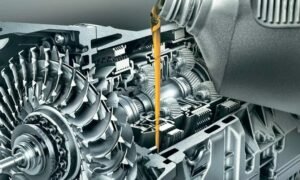
Best Gear Oil in Ethiopia for Heavy-Duty Use : Trucks, Agriculture, and Mining
Best Gear Oil in Ethiopia for Heavy-Duty Use : Trucks, Agriculture, and Mining Discover More In the demanding landscapes of Ethiopia, where the economy is
The diverse and demanding landscapes of Ethiopia—from the bustling streets of Addis Ababa to the rugged highlands and the arid lowlands—put incredible strain on your vehicle’s engine. Dust, stop-and-go traffic, varying fuel quality, and extreme temperature shifts all contribute to the gradual buildup of sludge, varnish, and harmful deposits within your engine’s core. This contamination is a silent threat, robbing your vehicle of performance, reducing fuel efficiency, and potentially leading to costly repairs down the line.
For the discerning Ethiopian driver, proactive maintenance is not a luxury; it’s a necessity. This brings us to a critical yet often misunderstood service: the engine flush. Is it a vital maintenance procedure or an unnecessary risk? This comprehensive guide will demystify engine flushing specifically for the Ethiopian context, explaining what it is, when you need it, and how to do it correctly to safeguard your vehicle’s longevity. We will also highlight the importance of using quality products, such as those from trusted local partners like Afro Oil Lubricants, to ensure the best results for your engine.
Before we dive into the solution, it’s essential to understand the problem. Your engine oil is the lifeblood of your vehicle. It lubricates, cleans, cools, and protects thousands of moving parts. However, over time, it breaks down. Heat, combustion by-products, and moisture cause the oil to oxidize and thicken. When combined with dust that bypasses the air filter and metallic particles from normal wear, it forms a thick, tar-like substance known as sludge.
This sludge is detrimental to your engine’s health. It can clog narrow oil passages, preventing vital lubrication from reaching components like the camshafts and piston rings. It causes oil to flow less freely, increasing operating temperature and strain on the oil pump. The result is a cascade of negative effects: reduced horsepower, increased fuel consumption, louder engine operation, and ultimately, the risk of catastrophic engine failure.
An engine flush is not a routine oil change. It is a specialized cleaning process designed to remove these accumulated deposits from the internal surfaces of your engine. Think of it as a deep cleanse for your vehicle’s heart.
A chemical engine flush is a cleaning additive that is added to your existing engine oil before an oil change. You pour the flush solution into the oil filler cap, let the engine idle for a specified period (typically 5 to 15 minutes), and then drain the oil. As the engine idles, the powerful yet safe detergents and solvents in the flush circulate throughout the entire lubrication system, dissolving sludge and suspending the contaminants in the old oil. When you drain the oil, you remove not just the used oil but also this suspended sludge, leaving the internals significantly cleaner.
This is the most important question, and the answer is not a simple yes or no. The suitability of an engine flush depends entirely on the condition and maintenance history of your engine.
When an Engine Flush is Highly Recommended:
Purchasing a Used Vehicle: If you are buying a used car in Ethiopia, especially one with an uncertain service history, an engine flush is an excellent precautionary measure. It provides a clean slate, ensuring you start your ownership with a contaminant-free engine before filling it with fresh, high-quality oil.
Switching to High-Performance or Synthetic Oil: If you have been using conventional mineral oil and plan to switch to a superior synthetic lubricant, an engine flush can be beneficial. It clears out the old deposits, allowing the new synthetic oil to perform at its optimum level from the very first mile.
After a Period of Inactivity: If a vehicle has been sitting unused for months, sludge can settle. A flush can help re-liquefy and remove these deposits before the vehicle is driven regularly again.
Signs of Sludge Buildup: Visible sludge under the oil filler cap, dark and gritty oil well before its change interval, or unexplained engine knocking noises can all indicate that a flush may be necessary.
When to Avoid an Engine Flush (The Risks):
The primary risk associated with engine flushing involves high-mileage engines with a history of poor maintenance. If an engine has never been flushed and is severely sludged, the cleaning agents can dislodge large chunks of deposit that may then travel and block critical oil galleries. This can starve components of oil, leading to immediate and severe damage.
Therefore, if your engine is very old, has extremely high mileage, and you suspect it has never been properly maintained, it is often safer to avoid a chemical flush. In such cases, a better approach is to perform a series of shortened oil change intervals (e.g., changing the oil every 1,000 kilometers for two or three cycles) using a high-detergent oil to gradually clean the engine.
If you have determined that an engine flush is appropriate for your vehicle, following the correct procedure is paramount. Here is a detailed guide.
Step 1: Gather Your Materials
You will need:
One bottle of a high-quality engine flush solution.
The correct amount and grade of new, high-performance engine oil. This is where choosing a reputable brand like Afro Oil Lubricants makes a significant difference. Their formulations are designed to meet the specific challenges faced by vehicles in the Ethiopian market.
A new, high-quality oil filter.
Basic tools: wrench for the drain plug, oil filter wrench, funnel, and a drain pan.
Safety equipment: gloves and safety glasses.
Step 2: Preparation
Ensure the engine is warm, but not hot. A short drive of about 10 minutes will bring the oil to an optimal temperature for draining, helping to keep contaminants in suspension. Park on a level surface, engage the parking brake, and let the engine cool for a few minutes.
Step 3: Adding the Flush
With the engine off, remove the oil filler cap and pour the entire contents of the engine flush bottle into the engine.
Step 4: The Idling Period
Start the engine and let it idle. Do not rev the engine or drive the vehicle. The idle time will be specified on the flush product’s instructions—usually between 5 and 15 minutes. During this time, the cleaner will circulate and dissolve the sludge.
Step 5: Draining the Old Oil and Replacing the Filter
After the idling period, turn off the engine. Place the drain pan under the oil drain plug, remove the plug, and allow the old oil and flush mixture to drain completely. This oil will be very contaminated; handle it with care. Once drained, replace the drain plug and remove the old oil filter. Install the new filter, ensuring the gasket is lightly lubricated with new oil to create a proper seal.
Step 6: The Fresh Start
Using a funnel, add the new engine oil. Using a premium product is non-negotiable here. The clean engine internals deserve the best protection. Afro Oil Lubricants offers a range of high-performance engine oils that provide excellent thermal stability, sludge protection, and lubrication, which is crucial for maintaining the benefits of the flush.
Step 7: Final Check
Replace the oil filler cap, start the engine, and let it idle for a minute. Check for any leaks around the filter and drain plug. Turn off the engine, wait a moment, and then check the oil level with the dipstick, topping up if necessary. Proper used oil disposal is critical for environmental protection; ensure you take the old oil and filter to a designated collection point.
The decision to flush an engine is not one-size-fits-all. The following comparison table and analysis provide a balanced view.
| Feature | Pros (Advantages) | Cons (Risks and Disadvantages) |
|---|---|---|
| Engine Performance | Restores Power & Responsiveness: Removes deposits that hinder moving parts, potentially restoring lost horsepower and throttle response. | Potential for Damage: In a severely sludged engine, dislodged deposits can block oil passages, leading to immediate oil starvation and engine failure. |
| Fuel Efficiency | Can Improve MPG: A cleaner engine has less internal friction and mechanical drag, which can lead to measurable improvements in fuel economy. | No Guarantee: If poor fuel economy is due to other issues (e.g., faulty sensors, dragging brakes), a flush will have no effect. |
| Engine Longevity | Prevents Premature Wear: By cleaning out abrasive contaminants, it reduces wear on critical components, extending engine life. | Risk to Old Seals: The powerful solvents may cause old, hardened seals and gaskets to shrink or leak, though modern flushes are formulated to be seal-safe. |
| Oil Life | Provides a Clean Slate: New oil added to a clean engine can perform optimally for its full service interval, as it isn’t contaminated by old residues. | Cost of Procedure: Adds the cost of the flush product to your maintenance bill. For a well-maintained engine, it may be an unnecessary expense. |
| Emissions | Can Reduce Emissions: Cleaner combustion chambers and free-moving piston rings lead to more complete combustion, lowering hydrocarbon emissions. | Environmental Concerns: The drained oil is highly contaminated and must be disposed of responsibly at a certified collection point. |
Performing an engine flush without committing to subsequent high-quality maintenance is like deep-cleaning your house only to throw mud on the floor afterwards. The long-term benefits are preserved by the oil you use after the flush.
Why Partner with Afro Oil Lubricants?
Advanced Detergent/Dispersant Packages: The oils produced by Afro Oil Lubricants are formulated with sophisticated additive technology. These components are designed to hold soot and other combustion by-products in suspension, preventing them from forming sludge in the first place. This is vital for maintaining the cleanliness achieved by the flush.
Superior Thermal and Oxidative Stability: Ethiopian driving conditions generate high engine temperatures. Afro Oil Lubricants are engineered to resist breaking down (oxidizing) at these high temperatures. This means the oil retains its protective viscosity and cleaning power for longer, extending the drain interval and protecting your investment.
Protection Against Wear: Even after a flush, microscopic wear still occurs. High-quality lubricants contain anti-wear additives like Zinc Dialkyldithiophosphate (ZDDP) that form a protective layer on metal surfaces, minimizing wear during critical start-up moments.
Localized Formulation: As a key player in the region, Afro Oil Lubricants understands the specific challenges—dust, altitude, fuel quality, temperature extremes—faced by engines in Ethiopia and the Horn of Africa. Their products are developed to meet these unique demands, ensuring optimal performance and protection.
An engine flush is a powerful tool in the sophisticated vehicle owner’s arsenal. For the Ethiopian context, it represents a strategic decision for resetting engine health when used correctly. The key takeaways are:
Assessment is Paramount: Do not flush a severely neglected, high-mileage engine without professional consultation.
Procedure is Critical: Follow the instructions meticulously—especially regarding idling time and immediate oil drainage.
Quality is Non-Negotiable: The success of the flush hinges on the quality of the new oil and filter. Partnering with a trusted lubricant provider like Afro Oil Lubricants ensures your engine receives the protection it needs.
Flush as Part of a Regime: An engine flush is not a substitute for regular oil changes. It is an adjunct to a consistent maintenance schedule using high-quality products.
By understanding the science, respecting the risks, and committing to quality lubricants, you can confidently decide if an engine flush is right for your vehicle. It is a proactive step toward ensuring your engine delivers the reliable, efficient, and powerful performance required to conquer every road, track, and mountain pass in this beautiful and demanding country.
Best Gear Oil in Ethiopia for Heavy-Duty Use : Trucks, Agriculture, and Mining Discover More In the demanding landscapes of Ethiopia, where the economy is

How to Find the Right Transmission Oil in Ethiopia? Discover More In the dynamic landscape of Ethiopian transportation, where vehicles traverse everything from the bustling
How to Choose the Most Durable Diesel Engine Oil in Ethiopia? Discover More In Ethiopia’s demanding landscape, where rugged terrain, heavy loads, and fluctuating temperatures

Viscosity Grades Explained: Choosing the Right Hydraulic Oil in Ethiopia Discover More From the expansive agricultural fields of the Oromia region to the bustling construction
Boost Mileage & Power: Top Fuel Injector Cleaners in Ethiopia’s Climate Discover More Is your car feeling sluggish on the climb to Entoto? Have you

Sourcing Premium Group III Base Oils in Ethiopia: A Strategic Supplier Landscape Analysis Discover More Ethiopia stands at a pivotal moment in its economic development.