Best Gear Oil in Ethiopia for Heavy-Duty Use : Trucks, Agriculture, and Mining
Best Gear Oil in Ethiopia for Heavy-Duty Use : Trucks, Agriculture, and Mining Discover More In the demanding landscapes of Ethiopia, where the economy is
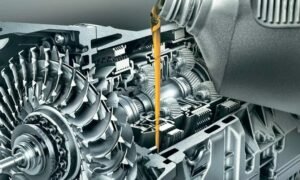
To merely call ATF “oil” is a profound understatement. It is a technologically advanced electro-hydraulic fluid and a precision lubricant, engineered to perform a symphony of tasks simultaneously within one of your vehicle’s most complex components.
Hydraulic Power Medium: The primary function of ATF is to create hydraulic pressure. This pressure is what actuates the clutch packs and band servos that physically change the gears. When you select “Drive,” a valve opens, directing pressurized ATF to the correct components to engage first gear. This process happens hundreds of times on a short drive, requiring fluid that maintains its viscosity and anti-foaming properties perfectly to ensure smooth, firm shifts.
Advanced Lubrication: An automatic transmission contains hundreds of moving parts—gears, bearings, bushings, and planetary sets—all rotating at high speeds. The ATF must provide a continuous film of lubrication to prevent metal-to-metal contact, reducing friction and minimizing wear. This is especially critical in Ethiopia’s high-altitude regions, where thinner air can slightly reduce cooling efficiency, placing greater thermal strain on the fluid.
Heat Transfer and Cooling: Transmission operation generates immense heat, primarily in the torque converter and clutch packs. ATF acts as a coolant, absorbing this heat and transporting it to the transmission cooler, which is often located within the vehicle’s radiator. The ability of the fluid to resist thermal breakdown (oxidation) under Ethiopia’s often scorching temperatures is a key measure of its quality.
Conditioning and Protection: ATF contains special additives to condition and prevent the hardening of rubber seals and gaskets, preventing leaks. It also includes detergent and dispersant additives that hold contaminants in suspension, preventing the formation of sludge and varnish on critical valve body components, which can lead to sluggish performance and erratic shifting.
The interdependence of these functions means that a failure in one area—for example, the fluid’s viscosity index modifiers breaking down—can lead to a catastrophic cascade of failures throughout the entire transmission system.
The unique conditions of Ethiopia create a “severe service” environment, a classification used by manufacturers to denote driving that requires more frequent maintenance. This makes the choice of ATF even more critical or transmission fluid chemical composition.
Thermal Extremes: The ambient temperature range in Ethiopia is vast. The heat in the Afar Depression and lowland areas can cause ATF to oxidize rapidly, breaking down its molecular structure and forming harmful deposits. Conversely, cooler temperatures in the Highlands can cause inferior fluids to thicken, leading to slow shifting and reduced fuel efficiency.
Altitude and Terrain: Driving in mountainous regions like the Simien or Bale Mountains means constant climbing and descending. This places the transmission under sustained load, generating more heat than steady-speed highway driving. Long descents can also overheat the fluid if the transmission is used for engine braking.
Urban Traffic Congestion: The stop-and-go traffic in Addis Ababa is one of the most demanding cycles for a transmission. The constant shifting between first and second gear and the slippage in the torque converter cause rapid heat buildup and fluid degradation.
Dust and Particulate Matter: While the transmission is a sealed system, extreme environmental dust can challenge breather systems and, during servicing, can introduce contaminants that abrade internal components. High-quality ATF has superior anti-wear additives to protect against such scenarios.
These factors collectively mean that a “one-size-fits-all” or unapproved ATF is a significant gamble. The margin for error is slim, and the cost of failure is exceptionally high.
An “approved” fluid is one that has passed a battery of tests defined by the vehicle’s Original Equipment Manufacturer (OEM). These are not just performance suggestions; they are engineering mandates.
Common OEM Specifications in the Ethiopian Market:
Toyota ATF WS (World Standard): As Toyota vehicles are immensely popular in Ethiopia, this specification is crucial. ATF WS is a low-viscosity, long-life fluid designed for smooth shifting and extended drain intervals (often 100,000 km under ideal conditions). Using a non-WS fluid in a vehicle that requires it can lead to shuddering, especially during light acceleration, and eventual transmission damage.
DEXRON®-VI (GM) and MERCON® LV (Ford): These are current global standards from General Motors and Ford. They are also low-viscosity fluids designed for improved fuel economy and shift precision. It is vital to note that these are not backwards compatible with older specifications like DEXRON-III or MERCON-V.
ATF+4® (Chrysler/Stellantis): A fully synthetic fluid known for its exceptional durability and resistance to oxidation. It is used in Chrysler, Jeep, Dodge, and some European vehicles. Its specific additive package is proprietary and essential for the proper function of these transmissions.
ZF Lifeguard Fluids (BMW, Audi, VW, Jaguar/Land Rover): German engineering often specifies fluids from transmission maker ZF. Specifications like Lifeguard 6, 8, or 9 are mandatory. Using an incorrect fluid can cause immediate and severe shifting issues due to incompatible friction modifiers.
The Risks of “Universal” or Unapproved Fluids:
A bottle labeled “Multi-Vehicle ATF” may claim to cover a wide range of specifications. However, this often means it meets the minimum requirements of several standards rather than excelling at any single one. The primary risks include:
Incompatible Friction Characteristics: This is the most common and damaging issue. The clutches inside your transmission are designed to engage with a specific friction coefficient provided by the approved fluid. The wrong friction can cause harsh shifts, shuddering, or clutch slippage—all of which lead to rapid wear and failure.
Accelerated Oxidation: Lower-quality base oils and inferior additive packages will break down faster under high Ethiopian heat, losing their lubricating and cooling properties and forming sludge that clogs small valves in the valve body.
Seal and Swell Incompatibility: The wrong chemical composition can cause transmission seals to either harden and crack or swell and deform, leading to leaks and pressure loss.
Even with the correct fluid, the service method is a key decision point.
| Service Method | Drain and Refill | Flush / Exchange |
|---|---|---|
| Process | The transmission pan is dropped, the filter replaced, and the drained fluid is refilled. | A machine is connected to the transmission cooler lines, and old fluid is pumped out while new fluid is pumped in, achieving a near-total exchange. |
| Fluid Replaced | Pros: ~40-60% of the total fluid volume. | Pros: ~90-95% of the total fluid volume. |
| Cost | Pros: Generally less expensive. | Cons: More expensive due to equipment and more fluid used. |
| Risk Factor | Pros: Very low risk. The preferred method for high-mileage transmissions with unknown service history. | Cons: Higher risk. Can dislodge debris and cause it to circulate, potentially clogging critical passages in a worn transmission. |
| Ideal Use Case | Pros: Routine maintenance for all vehicles. The only recommended method for transmissions that have been poorly maintained or have very high mileage. | Pros: For well-maintained, lower-mileage vehicles to restore optimal performance. Effective if a transmission has been contaminated. |
Recommendation for Ethiopian Drivers: Given the prevalence of vehicles with uncertain service histories and the high-stress environment, a drain and refill performed more frequently is often the safer and more recommended practice. A flush should only be performed by a specialist who can first assess the transmission’s health.
In a market sensitive to price and vulnerable to counterfeit products, the choice of supplier is a matter of vehicle health and safety. This is where established, reputable Ethiopian companies prove their value. A lubricant suppliers in Ethiopia like Afro Oil Lubricants plays a vital role in the automotive ecosystem. Such a company understands the specific challenges faced by Ethiopian drivers. They are more likely to invest in importing or blending fluids that carry genuine OEM approvals, ensuring the products on their shelves have the correct certifications and formulations.
Partnering with a trusted local supplier means more than a transaction; it means access to technical knowledge, a reliable supply chain that avoids counterfeit products, and the assurance that the fluid you are putting into your vehicle is engineered to protect it. For fleet managers and individual owners alike, this reliability is priceless, directly contributing to reduced downtime and lower long-term maintenance costs.
Your vehicle’s automatic transmission is a masterpiece of engineering, designed for comfort and performance. Protecting it with the manufacturer’s approved Automatic Transmission Fluid is the most effective way to ensure its longevity. The unique demands of the Ethiopian climate and terrain make this choice not a matter of luxury, but one of necessity.
By taking a informed approach—consulting your owner’s manual religiously, understanding the required OEM specification, selecting a qualified service provider, and sourcing your fluids from reputable and trusted national partners like Afro Oil Lubricants—you make a conscious decision to safeguard your investment. This proactive approach to maintenance guarantees that your vehicle will continue to perform reliably, protecting you from exorbitant repair costs and ensuring that every journey across this beautiful nation is as smooth and dependable as the technology that powers it. Choose approved, choose quality, and drive with confidence.
Best Gear Oil in Ethiopia for Heavy-Duty Use : Trucks, Agriculture, and Mining Discover More In the demanding landscapes of Ethiopia, where the economy is

How to Find the Right Transmission Oil in Ethiopia? Discover More In the dynamic landscape of Ethiopian transportation, where vehicles traverse everything from the bustling
How to Choose the Most Durable Diesel Engine Oil in Ethiopia? Discover More In Ethiopia’s demanding landscape, where rugged terrain, heavy loads, and fluctuating temperatures

Viscosity Grades Explained: Choosing the Right Hydraulic Oil in Ethiopia Discover More From the expansive agricultural fields of the Oromia region to the bustling construction
Boost Mileage & Power: Top Fuel Injector Cleaners in Ethiopia’s Climate Discover More Is your car feeling sluggish on the climb to Entoto? Have you

Sourcing Premium Group III Base Oils in Ethiopia: A Strategic Supplier Landscape Analysis Discover More Ethiopia stands at a pivotal moment in its economic development.